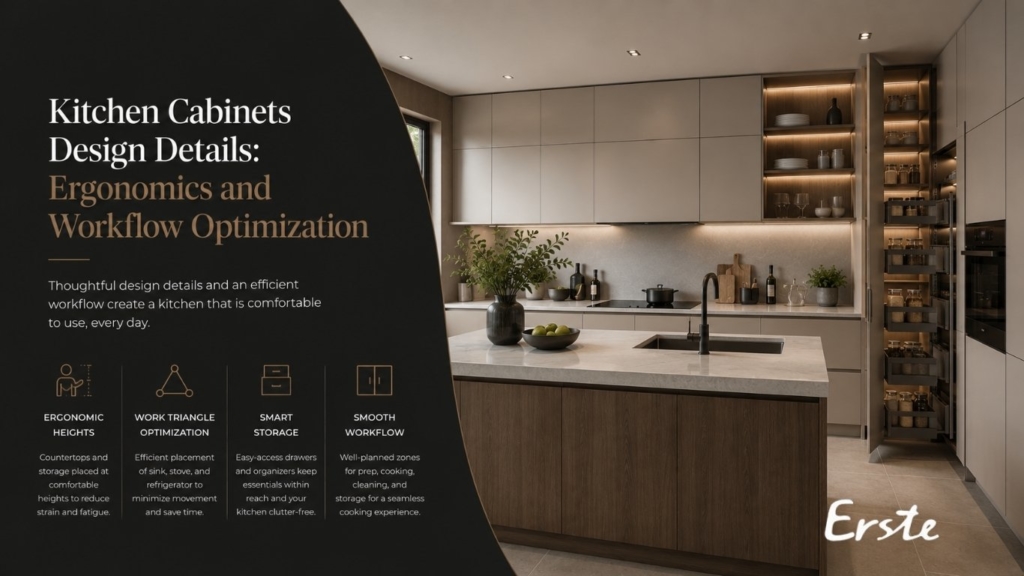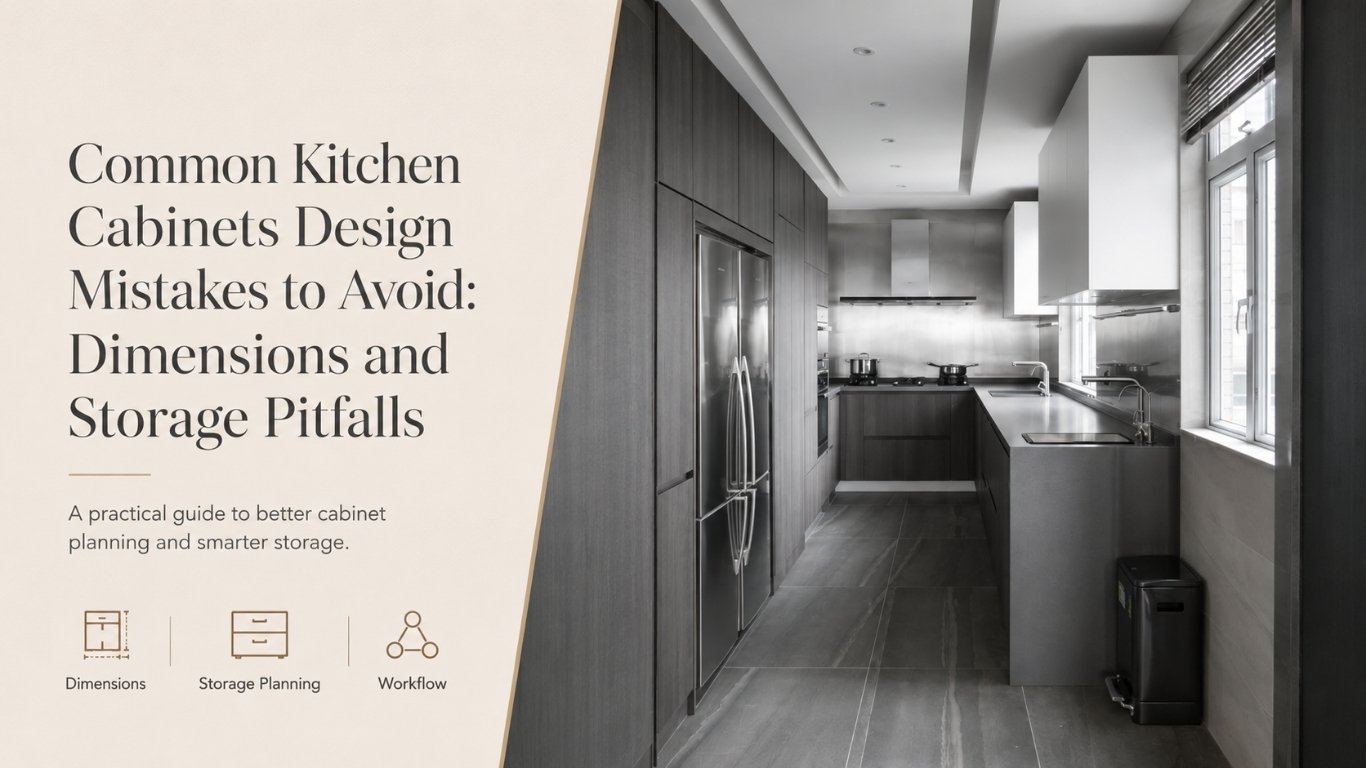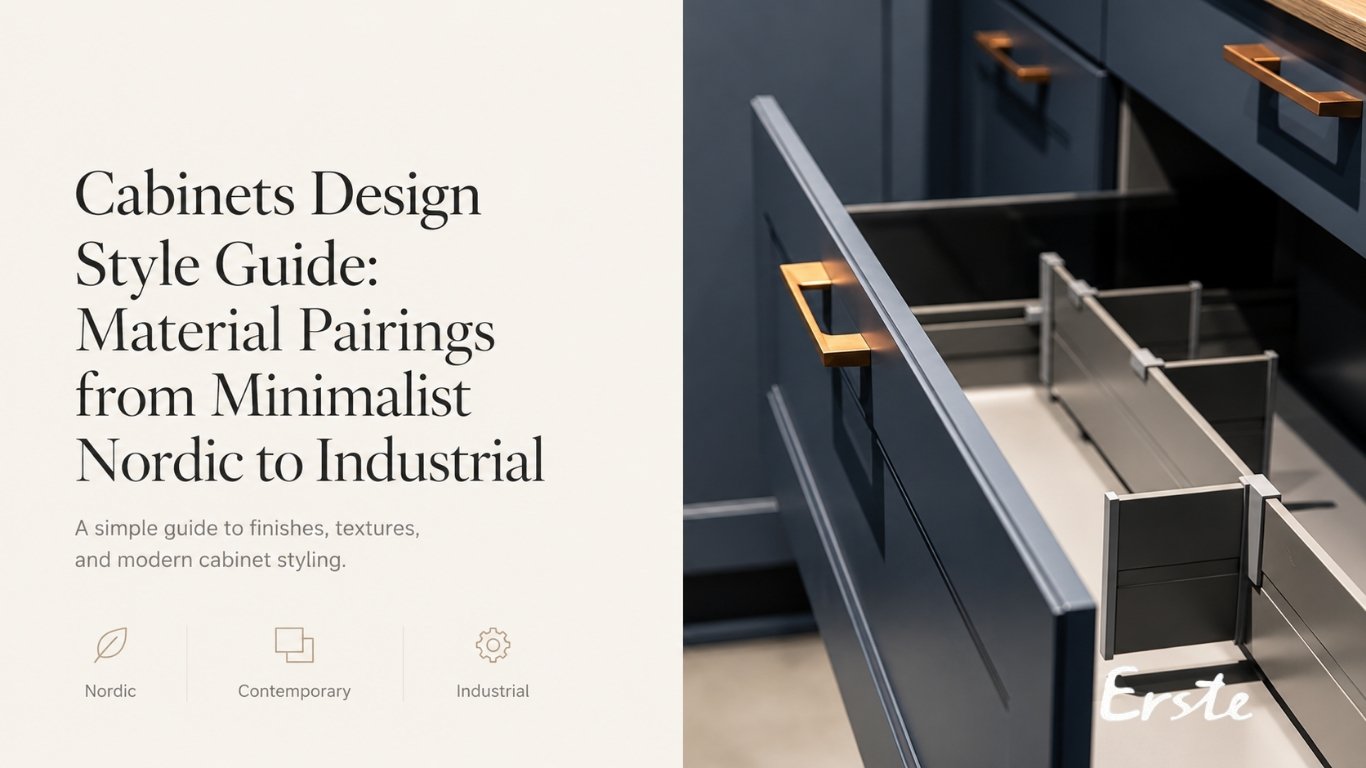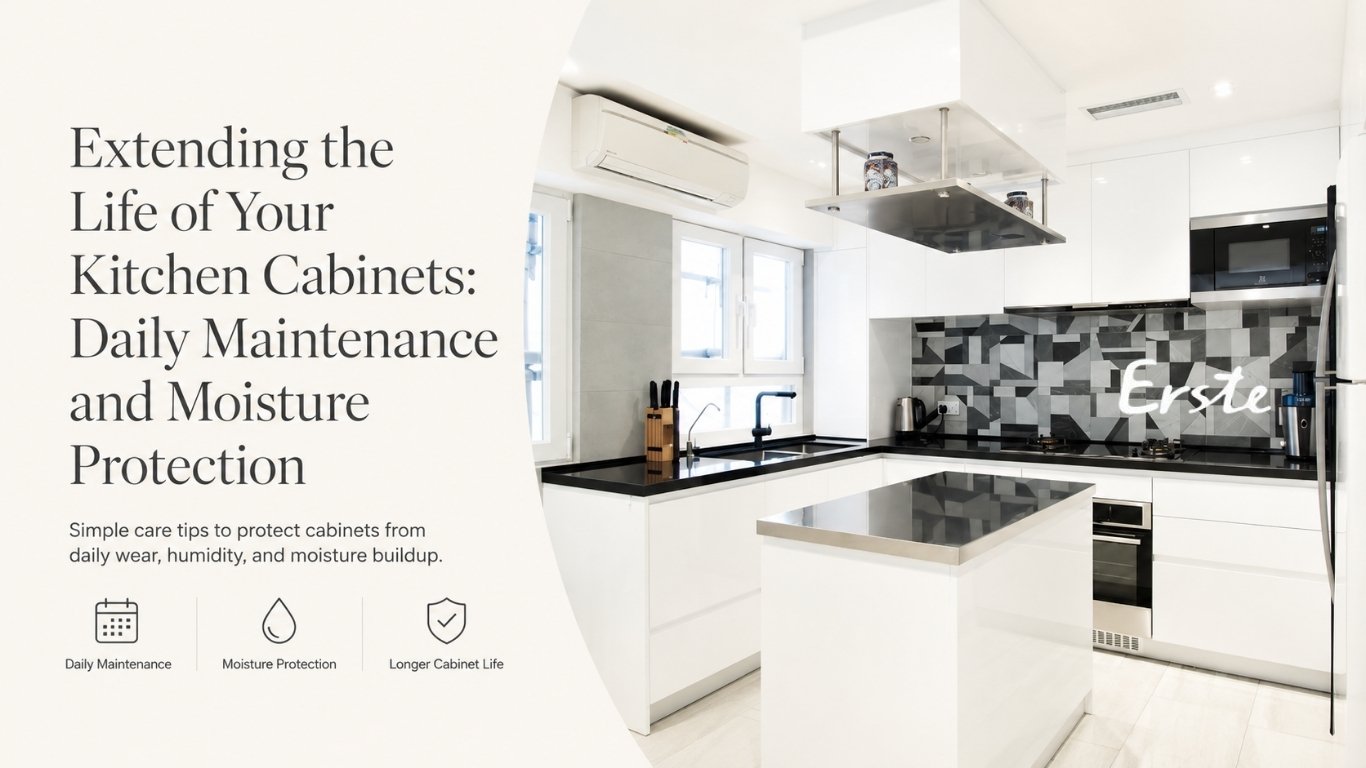
Great kitchen cabinets design goes far beyond choosing a beautiful door finish. The true measure of quality is how the cabinets support your daily cooking movements. Poorly designed cabinets force you to bend, stretch, and search for what you need, turning a routine task into a physically draining chore. Good kitchen cabinets design respects your body’s natural range of motion, placing frequently used items exactly where your hands expect to find them. Whether you are planning a full kitchen renovation or simply refining an existing layout, understanding ergonomics and workflow principles will transform your cooking experience. This guide explores the critical details that make kitchen cabinets design both comfortable and efficient.
Kitchen Cabinets Design Starts with Counter Height
Kitchen cabinets design must begin with the right working height for the primary user. The industry standard for counter height is 36 inches, but this one-size-fits-all approach ignores the fact that people come in different statures. For a user of shorter stature, a 36‑inch counter forces the shoulders into an elevated position during chopping and mixing, leading to fatigue and even chronic strain over time. Conversely, a taller user working at standard height will stoop, placing undue pressure on the lower back. The ergonomic sweet spot for food preparation is a surface height roughly equivalent to elbow level minus 5–10 centimetres, which keeps the spine in a neutral, comfortable position.
- For a user around 5’2″ (158 cm), a dedicated prep zone of 32–34 inches significantly reduces shoulder elevation and wrist strain during daily food preparation.
- For heavy mixing tasks such as kneading dough, lowering the work surface by an additional 3–5 cm from the standard measurement provides better leverage and keeps the posture neutral.
- If multiple family members use the kitchen, consider a split-level counter design or an adjustable-height island that accommodates different statures without full customisation across the entire kitchen.
- Maintaining standard counter heights in most zones while customising only a dedicated prep span of 24–36 inches balances personal comfort with future resale practicality.
Adjusting kitchen cabinets design for countertop height also affects the relationship with base cabinets. When you lower a prep counter, the base cabinet depth and the dishwasher placement need coordination to ensure that loading and unloading remain comfortable. The investment in custom height fabrication typically adds $300–800, depending on stone thickness and edge detailing.
Kitchen Cabinets Design: Upper Cabinet Height and Reach Zones
The second critical dimension in kitchen cabinets design is the height of wall-mounted (upper) cabinets. Standard installation places the bottom of these cabinets 18 inches above the countertop, which provides comfortable clearance for most countertop appliances and average-reach users. However, for a shorter user measuring 5’2″, lowering this clearance to 16 inches dramatically improves access to the first shelf, eliminating the need for a step stool for everyday items.
The concept of reach zones transforms how you organise kitchen cabinets design interior space. The most accessible area—often called the “golden zone”—spans from mid-thigh to shoulder level, roughly 31 to 47 inches (80–120 cm) from the finished floor. This zone should hold items you use daily, such as dinner plates, drinking glasses, cooking oils, and frequently used spices. The forward reach for most adults in standing tasks is approximately 18–22 inches (45–55 cm), which means deep cabinets beyond 24 inches risk pushing items into unreachable territory.
- Upper cabinets shallower than the standard 12‑inch depth, reduced to 10 inches, dramatically improve sightlines and make items on the top shelf more accessible without excessive stretching.
- Pull‑down shelf mechanisms allow items stored in the 20–48 inch vertical band to be brought down to a comfortable working height, a feature highly valued in accessible design.
- Glass-fronted or lighter-coloured doors reduce the visual weight of a run of upper cabinets, making a small kitchen feel more spacious and less oppressive.
Thoughtful kitchen cabinets design also places heavy items such as cast iron cookware within the lower reach zone (60–120 cm from the floor) to avoid awkward overhead lifting that strains the back and shoulders. Seasonal or rarely used items can occupy the highest shelves above the golden zone, accessible only with a step stool.
Optimising Workflow Through Strategic Cabinet Placement
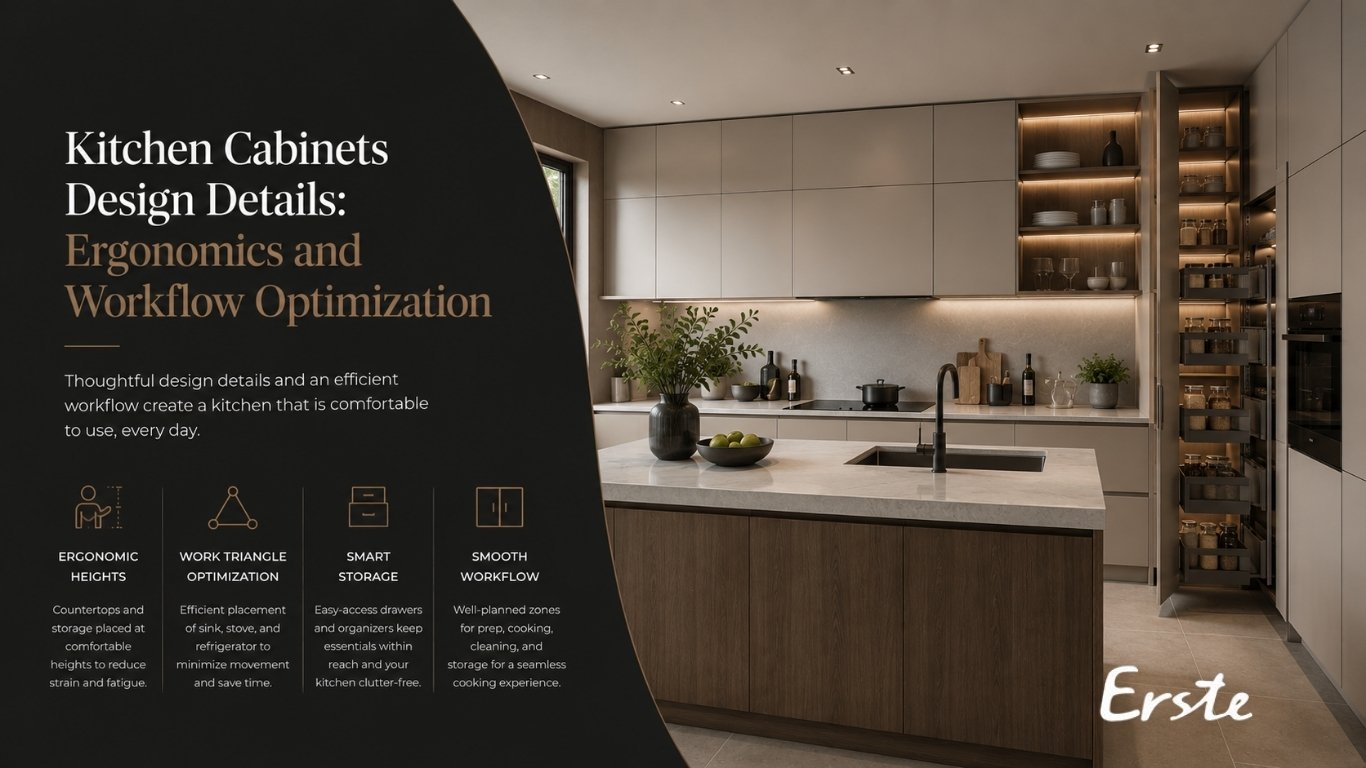
Workflow in kitchen cabinets design revolves around minimising unnecessary movement between the three primary work zones: the sink (cleaning), the refrigerator (cold storage), and the cooktop (heat processing). This relationship is known as the work triangle, and each leg of the triangle should measure between 4 and 9 feet (120–270 cm). When the triangle is too tight, cooks feel cramped; when it is too spread out, efficiency drops.
- Position base cabinets that hold pots, pans, and cooking utensils directly beneath or immediately adjacent to the cooktop. Every extra step you take to retrieve a pan increases cooking time and frustration.
- Store food preparation tools such as mixing bowls, measuring cups, and cutting boards in base cabinets between the refrigerator and the prep counter. This alignment follows the natural flow of retrieving ingredients, then moving to the prep area.
- Place cleaning supplies, dish soap, and drying racks in cabinets near the sink, ideally in a pull-out waste and recycling bin system that keeps the zone organised.
- For households where two people cook simultaneously, widening the aisle clearance to at least 42–48 inches allows comfortable passing without shoulder contact.
Modern kitchen cabinets design also considers the concept of micro‑triangles within specific work zones. For example, the coffee station should position the espresso machine, mugs, and coffee storage within a small, efficient triangle on a dedicated counter section. This level of detailed planning reduces the daily friction that accumulates across hundreds of cooking sessions each year.
Storage Systems That Respect Your Body
Internal storage systems represent the most effective upgrade you can make within kitchen cabinets design. Drawer‑based base cabinets outperform traditional doors with fixed shelves for nearly every category of item. A three‑drawer stack—shallow for utensils, medium for prep tools, deep for pots and pans—preserves ergonomic access and eliminates kneeling searches associated with deep, dark shelf cavities.
- Full‑extension drawer runners, rated for at least 35–45 kg of weight, allow you to access the entire depth of the cabinet without straining your back. Soft‑close mechanisms prevent drawers from slamming shut and damaging contents.
- Pull‑out tray systems in base cabinets bring heavy stand mixers or large stockpots forward and upward, reducing the need to bend and lift from low, dark spaces.
- Tall pantry cabinets with mixed module heights—shallow shelves at eye level for small jars and cans, deeper pull‑outs at lower levels for bulk items—balance visibility with capacity.
- Corner cabinets, traditionally wasted space, can be equipped with lazy Susans or pull‑out corner mechanisms that transform dead zones into accessible storage.
When you prioritise ergonomic access in kitchen cabinets design, you also reduce the risk of household injuries. Lifting a heavy Dutch oven from a low, deep shelf requires twisting and bending—two motions that frequently contribute to back strain and pulled muscles. A pull‑out tray that brings the same pot to waist height at the front of the cabinet eliminates those hazardous movements entirely.
Lighting Integration: The Final Ergonomic Detail
No discussion of kitchen cabinets design is complete without addressing task lighting. Standard ceiling lights cast shadows over your work surfaces, forcing you to lean forward to see what you are cutting. Continuous LED strips mounted under the upper cabinet front edge, positioned 2–3 inches from the cabinet face and shielded by a diffuser, eliminate these shadows.
- Aim for task illumination of 300–500 lux on countertop surfaces, which is the level recommended by the Illuminating Engineering Society (IES) for safe food preparation and reduced eye fatigue.
- Select LED strips with a high Colour Rendering Index (CRI) of 90+, which ensures that the colours of fresh produce and meats are accurately perceived.
- Dimmable lighting allows you to lower brightness during non‑cooking hours, creating a softer ambience while maintaining visibility for quick tasks.
Proper lighting transforms kitchen cabinets design from merely functional to genuinely enjoyable. When you can see clearly without bending or shadow, cooking becomes safer, faster, and more pleasant.
erste integrates these ergonomic and workflow principles into every kitchen cabinets design project we undertake. Our portfolio demonstrates how thoughtful cabinet placement improves daily life for homeowners across Hong Kong. View our case studies: https://www.erste.com.hk/our-work/
Ready to optimise your kitchen with ergonomic kitchen cabinets design? Contact unsere team for a professional consultation: https://www.erste.com.hk/contact/