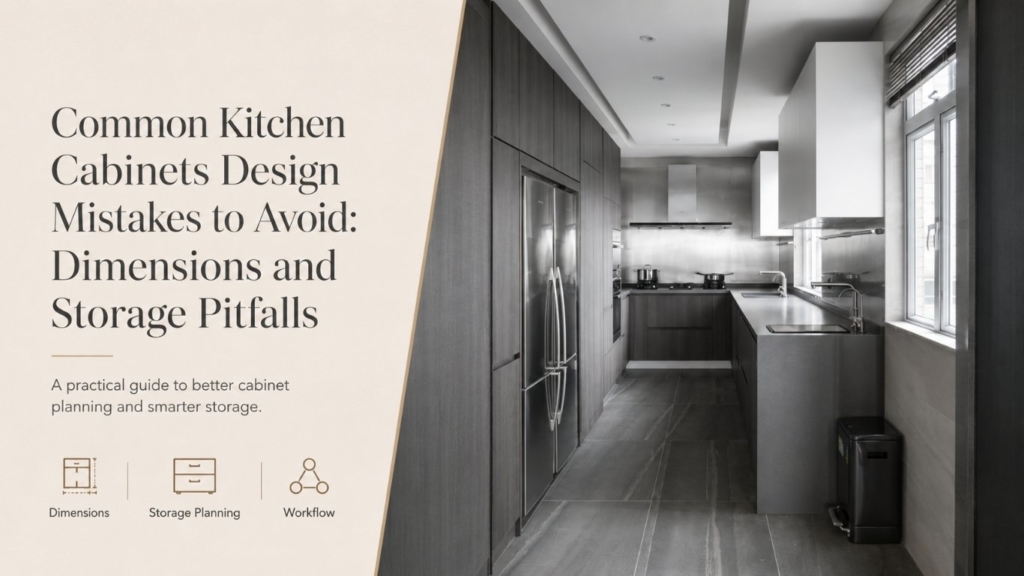
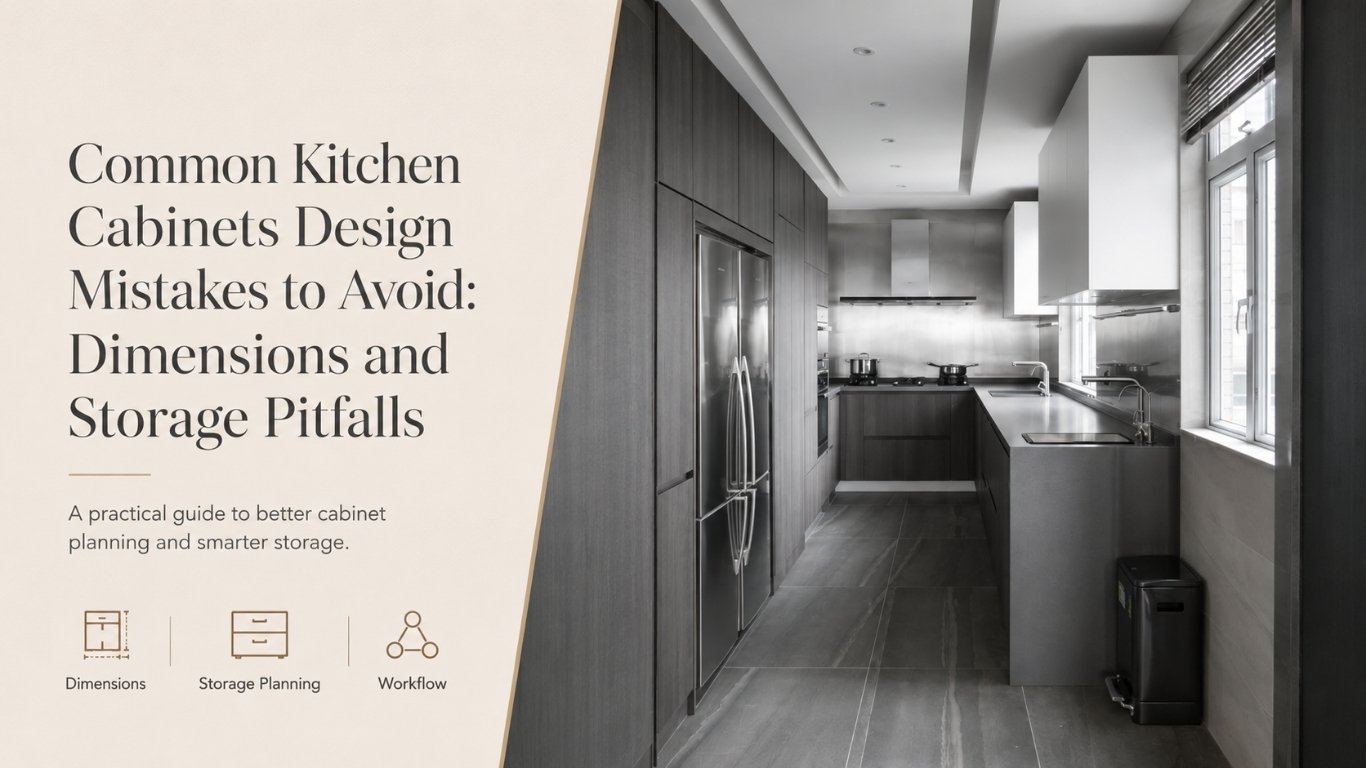
Kitchen cabinets design is a precise discipline. A few centimetres misjudged can turn a beautifully planned kitchen into a daily source of frustration. The difference between a kitchen that functions effortlessly and one that constantly annoys you often comes down to getting cabinet dimensions right and planning storage intelligently. Unfortunately, even experienced renovators make predictable mistakes in kitchen cabinets design—errors that can be costly to fix after installation. This guide identifies the most common dimension‑related and storage‑related pitfalls in kitchen cabinets design and provides practical solutions to avoid them.
Dimension Mistakes That Ruin Kitchen Cabinets Design
Inaccurate measurements are among the most frequent errors in kitchen cabinets design. If you are not having a professional measure your space, always double‑check your work. A miscalculation of even one‑sixteenth of an inch can cause cabinets, countertops, or appliances to not fit when installation day arrives.
Appliance Door Clearance
One of the most overlooked aspects of kitchen cabinets design is ensuring that appliance doors can open fully without hitting cabinets, handles, or walls. Refrigerator doors, dishwasher doors, and oven doors all require clearance. A refrigerator placed next to a wall may have its door swing blocked unless the kitchen cabinets design accounts for a filler panel or sufficient gap.
- Before finalising your kitchen cabinets design, simulate the opening paths of every appliance door and drawer. Drawers placed near a corner may collide with adjacent handles. Doors at a 90‑degree angle to one another can strike each other if clearances are insufficient.
- For dishwasher installation, ensure that when the door is fully lowered, it does not block the pathway in front. If your kitchen cabinets design places the dishwasher opposite an island or another counter, measure the clearance carefully.
Aisle Width and Walkway Clearance
Incorrect aisle width is a hallmark of poor kitchen cabinets design. The National Kitchen and Bath Association recommends a minimum of 36 inches for standard walkways, 42 inches for active cooking paths, and 48 inches for kitchens where two people cook simultaneously. If aisle width falls below these numbers, the kitchen will feel cramped and may create safety hazards.
- Do not assume that standard cabinets will automatically leave enough walking room. A kitchen cabinets design that looks spacious on a floor plan can feel tight in reality because the plan did not account for open appliance doors, people moving past each other, or the clearance needed to bend down and access lower cabinets.
- The space between an island and surrounding cabinets should be at least 42 inches. If you routinely have two cooks, aim for 48 inches. Anything narrower will create frustration every time the dishwasher door is opened while someone is trying to walk past.
Upper Cabinet Height and Clearance
The height at which you mount upper cabinets significantly affects usability. In kitchen cabinets design, the standard clearance between the countertop and the bottom of upper cabinets is 18 inches. This provides enough room for most countertop appliances while keeping the first shelf within comfortable reach for an average‑height user.
- For shorter users, consider reducing this clearance to 16 inches. For taller users, 20 inches may be more comfortable. Ignoring this aspect of kitchen cabinets design forces you to stretch or stoop every time you access upper cabinets.
- Upper cabinets that are too deep also cause problems. The standard depth is 12 inches. Deeper cabinets may look more substantial but push contents further from your reach, making it hard to see what is stored at the back.
Storage Pitfalls in Kitchen Cabinets Design
The amount of storage you have matters less than how you organise it. Many homeowners complain about insufficient cabinet space when the real issue is inefficient kitchen cabinets design.
Too Many Doors, Not Enough Drawers
A classic mistake in kitchen cabinets design is specifying too many traditional door‑and‑shelf cabinets and not enough drawers. Deep base cabinets with doors force you to kneel down, reach into dark corners, and pull items from the back while items at the front topple over. Drawers, by contrast, pull out completely, providing full visibility and easy access.
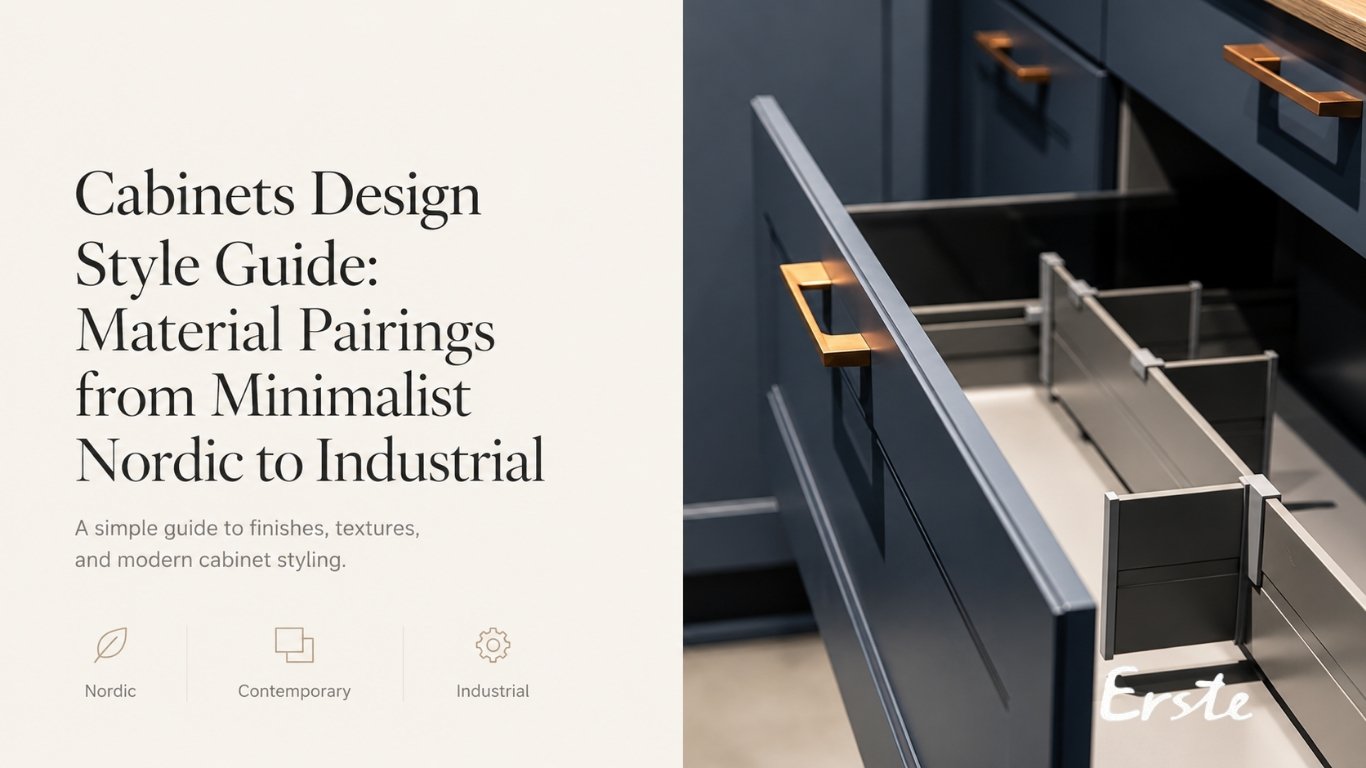
- In your kitchen cabinets design, use drawers for base cabinets wherever possible. Drawers are superior for storing pots, pans, utensils, and food containers. A three‑drawer stack (shallow for utensils, medium for prep tools, deep for pots) serves most needs more effectively than a door‑and‑shelf combination.
- If your budget or layout requires some door‑style base cabinets, equip them with pull‑out trays or roll‑out shelves. These inexpensive additions transform a deep, dark cavity into an accessible storage zone.
Underutilised Corner Cabinets
Corner cabinets are notoriously problematic in kitchen cabinets design. Without specialised fittings, the corner becomes dead space—items shoved to the back are forgotten until a thorough clean‑out years later.
- Install a lazy Susan (rotating shelf) or a pull‑out corner mechanism. These fittings make the corner accessible and can increase usable storage by 20–25% compared to a standard corner cabinet with a fixed shelf.
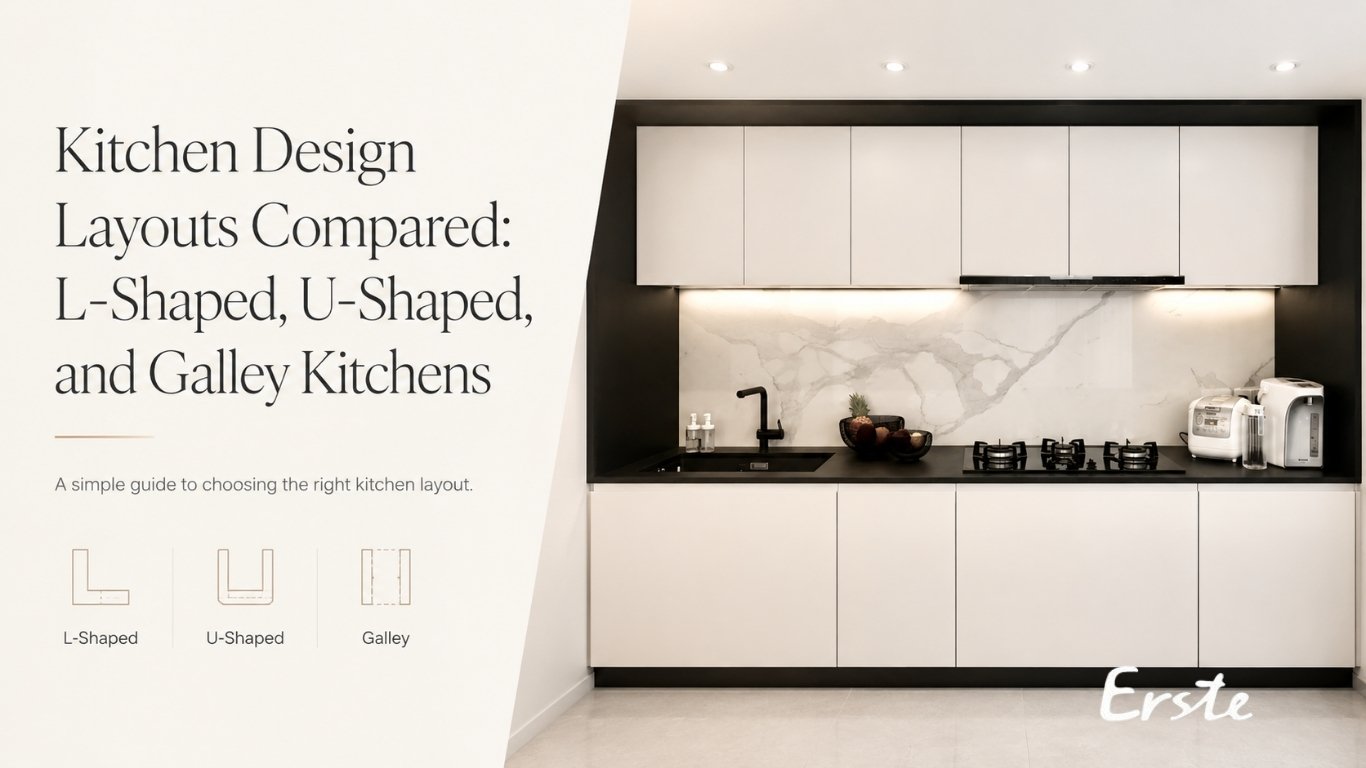
- For L‑shaped kitchen cabinets design, consider a diagonal corner cabinet with a door that opens to reveal accessible interior space, or use a blind corner pull‑out system that brings the rear portion of the cabinet forward.
Insufficient Vertical Storage
Many homeowners focus solely on base cabinets and neglect the vertical dimension in their kitchen cabinets design. Floor‑to‑ceiling tall cabinets (full‑height pantry units) provide dramatically more storage than standard base‑plus‑wall combinations.
- In a compact kitchen, replacing a section of standard cabinets with a tall pantry unit can add the equivalent of several base cabinets of storage without increasing the footprint.
- Use the space above upper cabinets. In kitchen cabinets design that leaves a gap between the top of wall cabinets and the ceiling, that space accumulates dust and is wasted. Extend cabinets to the ceiling or use decorative moulding to close the gap, and store infrequently used items on the top shelves.
Ignoring Work Zone Storage
Even the most thoughtfully dimensioned kitchen cabinets design will fail if storage is not located near the point of use. Spices stored on the opposite side of the kitchen from the cooktop create unnecessary walking. Cutting boards stored far from the preparation counter cause inefficiency.
- In your kitchen cabinets design, map out your work zones before specifying cabinet locations. Place pots and pans in drawers directly beneath or immediately adjacent to the cooktop. Store plates and bowls in cabinets near the dishwasher for easy unloading. Keep frequently used utensils in a drawer near the prep area.
- Trash and recycling bins should be integrated into base cabinets near the sink, where most waste is generated. A pull‑out bin system in your kitchen cabinets design keeps waste out of sight but within easy reach.
Final Thoughts on Kitchen Cabinets Design
Avoiding common mistakes in kitchen cabinets design requires careful planning, accurate measurement, and a clear understanding of how you use your kitchen daily. Before committing to a design, test clearances, simulate appliance door swings, and think critically about storage placement. A few hours of thoughtful planning will prevent years of daily frustration.
erste has extensive experience in helping homeowners avoid kitchen cabinets design pitfalls. Browse our portfolio for examples of successful projects: https://www.erste.com.hk/our-work/
Need professional guidance on your kitchen cabinets design? Contact unsere team: https://www.erste.com.hk/contact/