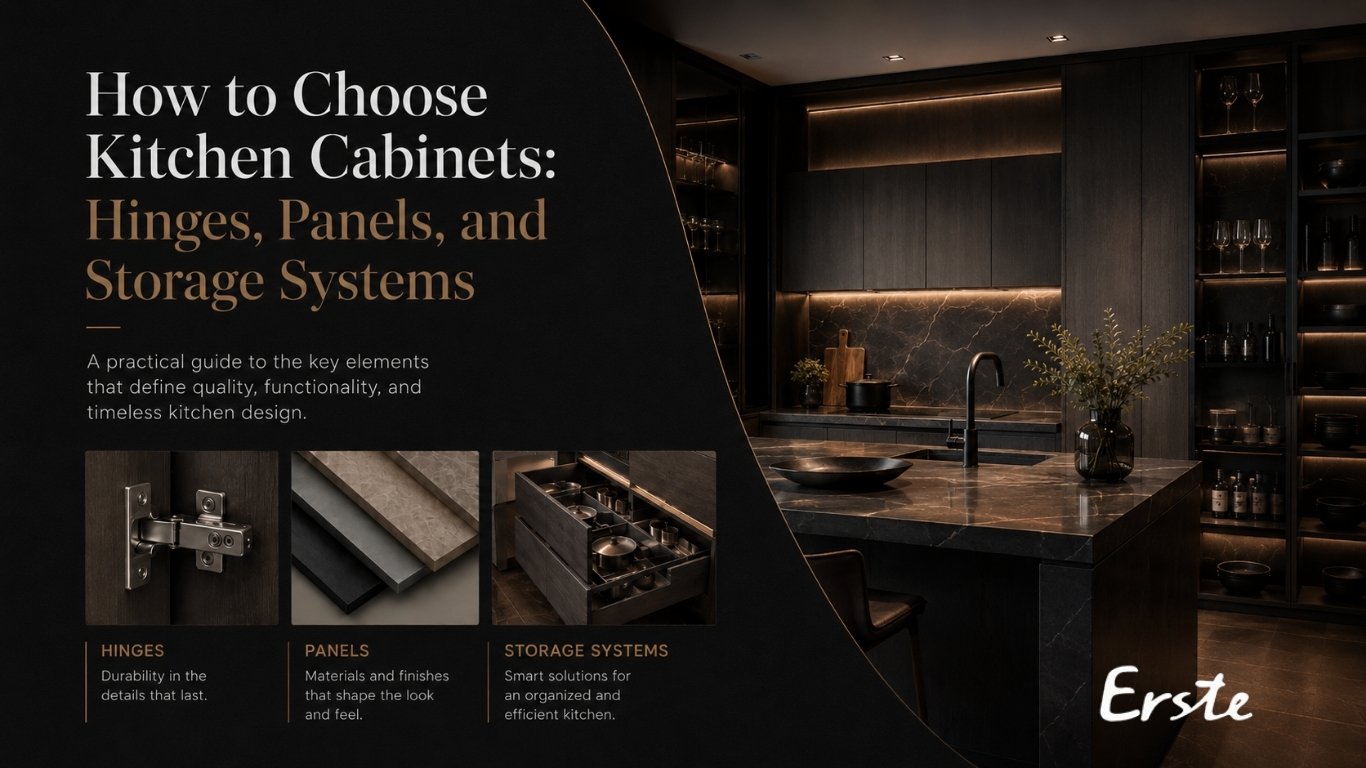
Choosing kitchen cabinets is one of the most consequential decisions you will make during a kitchen renovation. The right kitchen cabinets affect everything—from daily convenience to long-term durability. But with so many options for hinges, panels, and storage systems, how do you separate quality from marketing hype? This guide walks you through every major component of kitchen cabinets selection, helping you make informed decisions that will serve you well for years.
Kitchen Cabinets Hinges: The Small Component That Makes a Big Difference
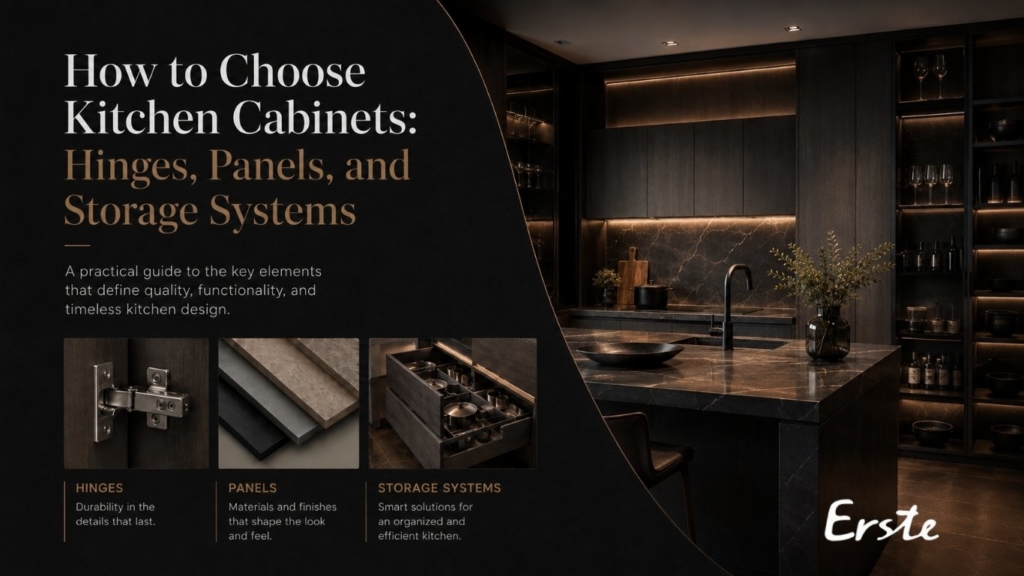
Hinges might seem like a minor detail, but they determine how your kitchen cabinets function day after day. The right hinge system ensures smooth operation and prevents premature wear.
- Soft-close hinges have become the modern standard. They use a built-in hydraulic damping mechanism that slows cabinet doors as they close, preventing the loud slam that damages both the door and the cabinet frame over time . Blumotion hinges integrate the mechanism directly into the hinge cup, providing a low-profile design that maintains aesthetic cleanliness
- European-style hinges offer excellent adjustability and multiple overlay options. This adjustability is crucial for achieving perfect alignment on frameless kitchen cabinets.
- For humid environments, corrosion-resistant finishes are essential. Quality kitchen cabinets use hinges rated for moisture resistance and frequent operation. The COMPACT BLUMOTION hinge, designed specifically for framed cabinets, includes a deactivation switch for small or light doors.
When selecting hinges for your kitchen cabinets, look for durable materials like nickel-plated steel. Soft-close hinges cost more upfront but protect your investment in custom kitchen cabinets by reducing stress on joints and hardware over time.
Kitchen Cabinets Box Materials: Plywood vs. MDF vs. Moisture-Resistant Alternatives
The box—the unseen structure behind the doors—determines how long your kitchen cabinets will last. Quality materials here are non-negotiable.
- Plywood kitchen cabinets are widely recognised as the gold standard. Plywood offers excellent structural stability and strength, with cross-layered construction that distributes stress and prevents warping. Plywood performs better in humid environments and takes screws well, making it suitable for cabinet boxes and frames.
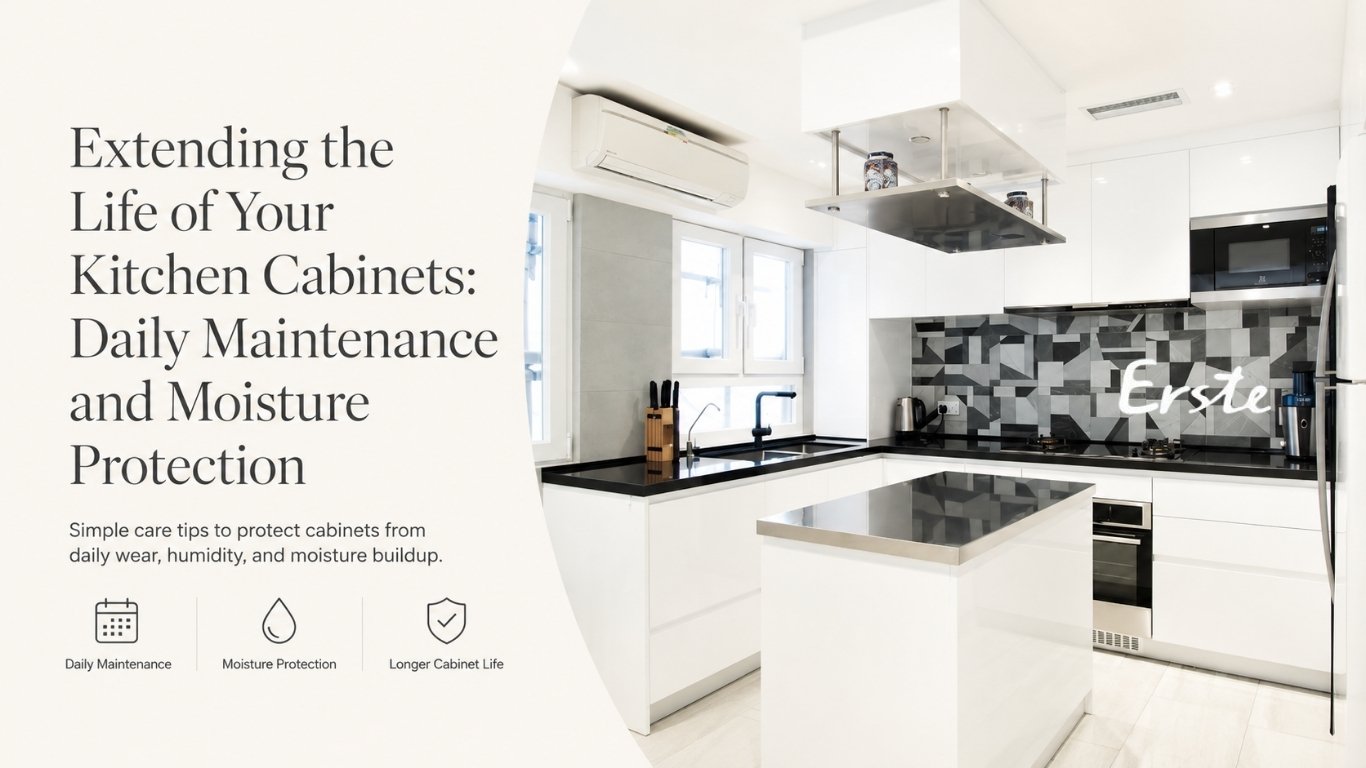
- MDF (Medium-Density Fiberboard) is an engineered wood product made by compressing wood fibres with resin. MDF provides a smooth, uniform surface that is ideal for painted cabinet doors and decorative panels. However, standard MDF is not moisture resistant and can swell if exposed to water .
- Moisture-resistant MDF (MR MDF) offers better dimensional stability than standard MDF and is suitable for cabinet carcasses in mid-to-high specification kitchen cabinetry .
For kitchen cabinets, the best practice is to use plywood for cabinet boxes and frames where strength and moisture resistance matter most, and use MDF for painted doors where a smooth finish is the priority.
Kitchen Cabinets Storage Systems: Pull-Outs, Drawers, and Accessories
The best kitchen cabinets in the world are useless if you cannot reach what is inside. Modern storage systems dramatically improve access and organisation.
- Pull-out storage systems are the single most effective upgrade for usability. In corner tall cabinets, pull-out systems bring contents forward, reducing reach distance significantly .
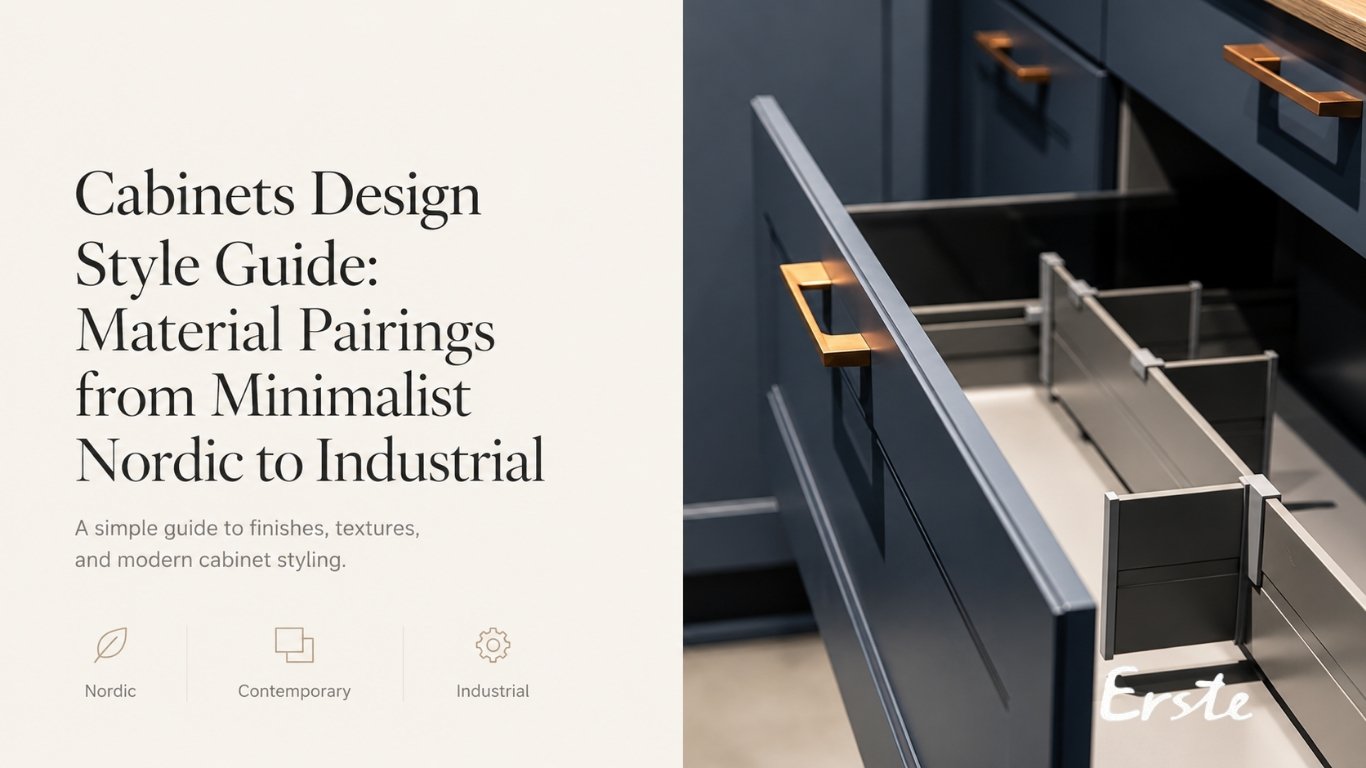
- Adjustable shelving and basket options are critical because kitchen cabinets store items of wildly different heights. Fixed shelves look neat during installation but quickly become inefficient. Combining height-adjustable shelves, wire basket pull-outs, and deep pantry trays covers all categories of kitchen items.
- Corner-specific solutions turn dead space into usable storage. Corner carousels and pull-out systems can increase accessible storage by 20-25% compared with straight-line layouts.
When designing your kitchen cabinets, allocate a portion of your budget to internal organisers. The hardware you cannot see will determine how much you enjoy using the cabinets you can see.
Kitchen Cabinets Dimensions: Standard Proportions and Ergonomic Considerations
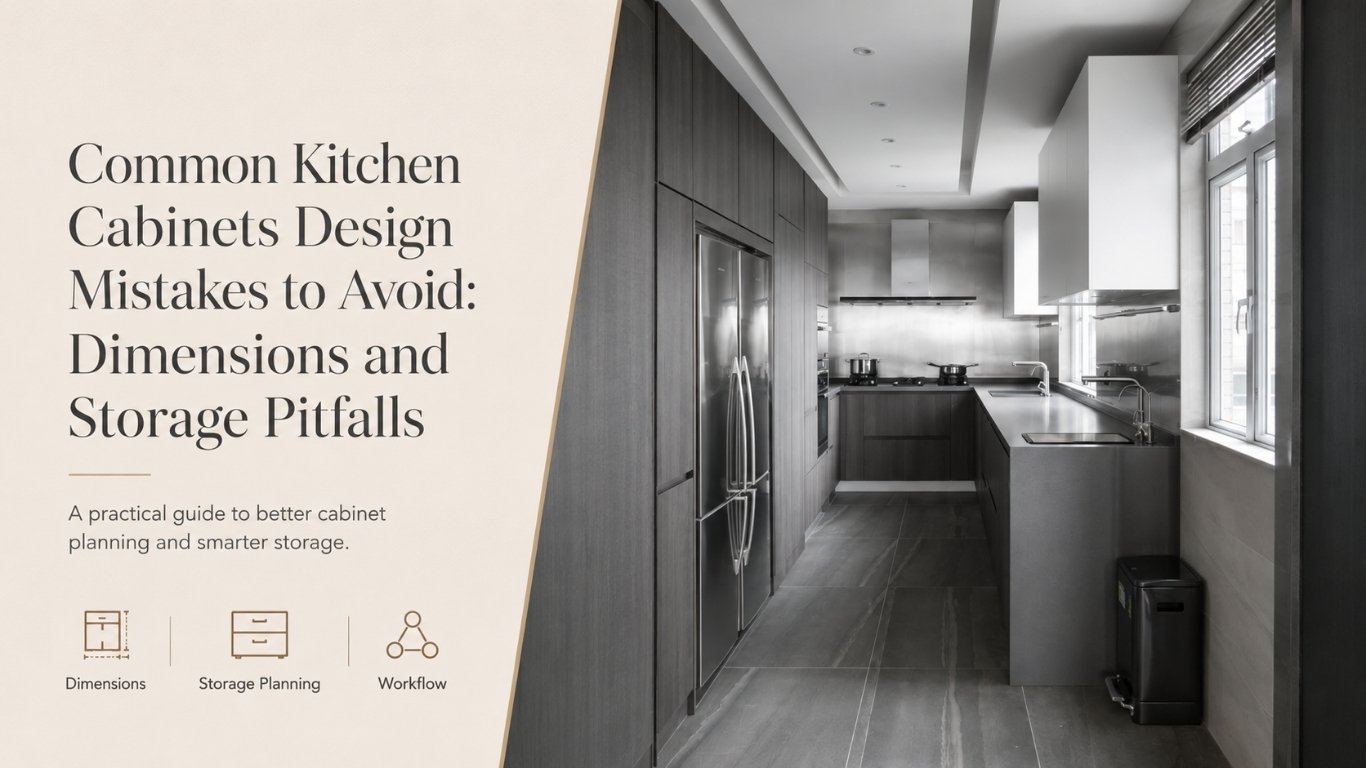
Proper dimensions are essential for comfortable daily use. Here are the standard proportions that guide kitchen cabinets design:
- Base cabinet depth: 24 inches (610 mm) is the standard. This dimension exists for ergonomic reasons—reach without strain—as well as countertop compatibility and appliance integration.
- Wall cabinet depth: 12 inches is standard. Shallower wall cabinets (300-320 mm) help keep sightlines open and reduce the risk of bumping heads .
- Vertical clearance: The space between the work surface and the bottom of wall cabinets should be 18 inches, and never less than 16 inches.
- Working aisle width: At least 42 inches for one cook and 48 inches for multiple cooks ensures comfortable circulation.
Deeper cabinets beyond 24-27 inches can create reach problems. Items migrate to the back, you bend more, and you forget what you own. More depth does not equal more efficiency—it often equals more chaos unless designed with intent .
Kitchen Cabinets Selection: Putting It All Together
Choosing kitchen cabinets requires balancing multiple factors. Here is a practical summary:
- For hinge selection: Prioritise soft-close mechanisms from reputable brands. Look for built-in damping rather than add-on devices.
- For box materials: Specify plywood for cabinet boxes in humid environments. Use moisture-resistant MDF for painted applications.
- For storage systems: Maximise drawer-based storage over fixed shelves. Add pull-out organisers for deep cabinets.
- For dimensions: Respect standard depths and clearances. Avoid making cabinets deeper without careful planning.
erste has delivered hundreds of custom kitchen cabinets installations across Hong Kong. Each project is tailored to the homeowner‘s cooking habits and space constraints. Explore our portfolio: https://www.erste.com.hk/our-work/
Need expert guidance on choosing the perfect kitchen cabinets for your home? Contact unsere team today: https://www.erste.com.hk/contact/