
European kitchens blend diverse styles with meticulous attention to detail, prioritizing both aesthetics and functional harmony. Erste leverages exceptional artistic taste and European design principles to create your dream kitchen.
Core Advantages of European Kitchens: Why They Appeal to Premium Residences in Hong Kong?
-
Balanced Design: Function Meets Aesthetics
Unlike traditional enclosed Chinese kitchens, European styles prioritize “functionality-aesthetics balance,” fitting Hong Kong’s living spaces. Local brand Erste blends European design essence with local habits, using Italian imported materials to create durable, stylish kitchen systems—ideal for premium residences.
-
Superior Space Utilization
-
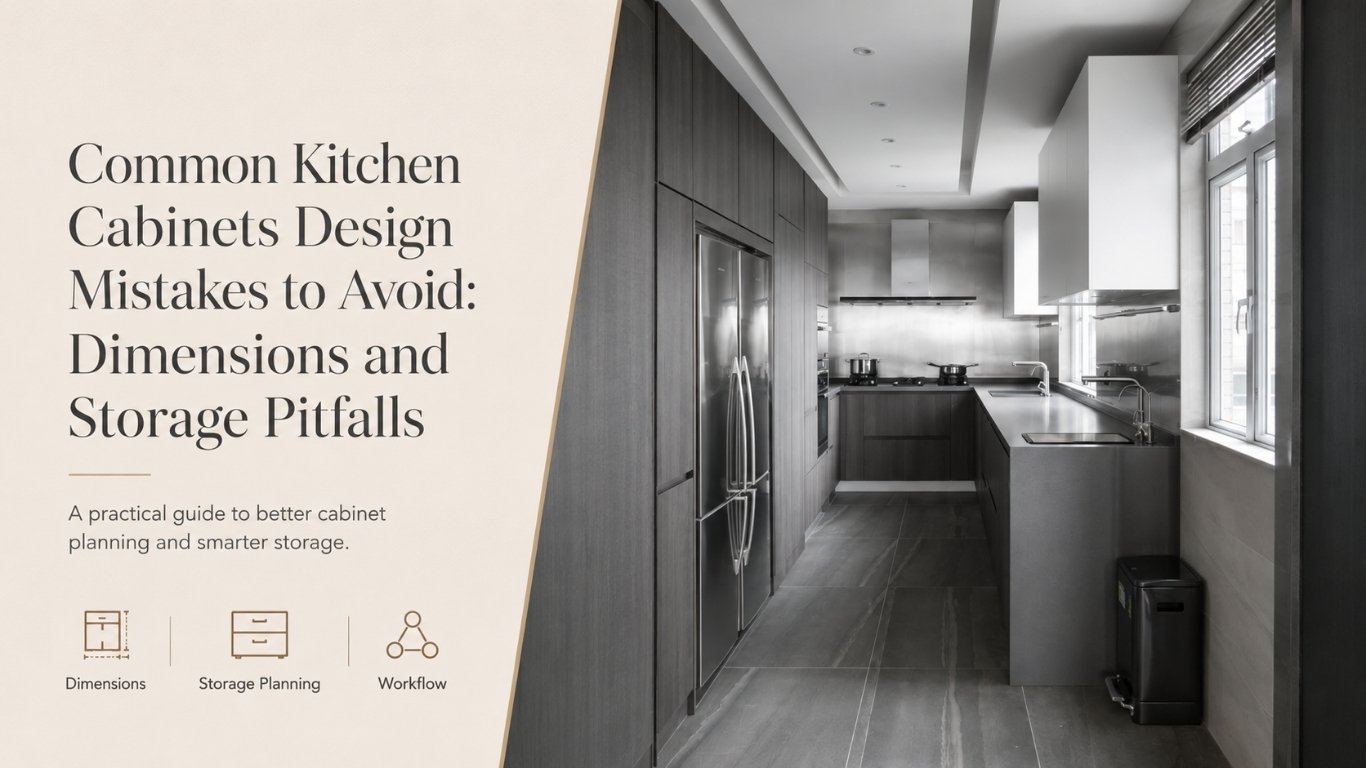
- Open layouts break down kitchen-living room barriers, boosting natural light and visual spaciousness—perfect for Hong Kong’s small-to-medium units.
- Case in point: Erste’s Chianti Discovery Bay project uses an L-shaped cabinet + kitchen island combo to optimize compact spaces while maintaining a smooth workflow.
https://www.erste.com.hk/portfolio/chianti-discovery-bay/
- Built-in appliances (e.g., hidden range hoods, integrated ovens) reduce clutter and save space.
-
High-Quality, Climate-Resilient Materials
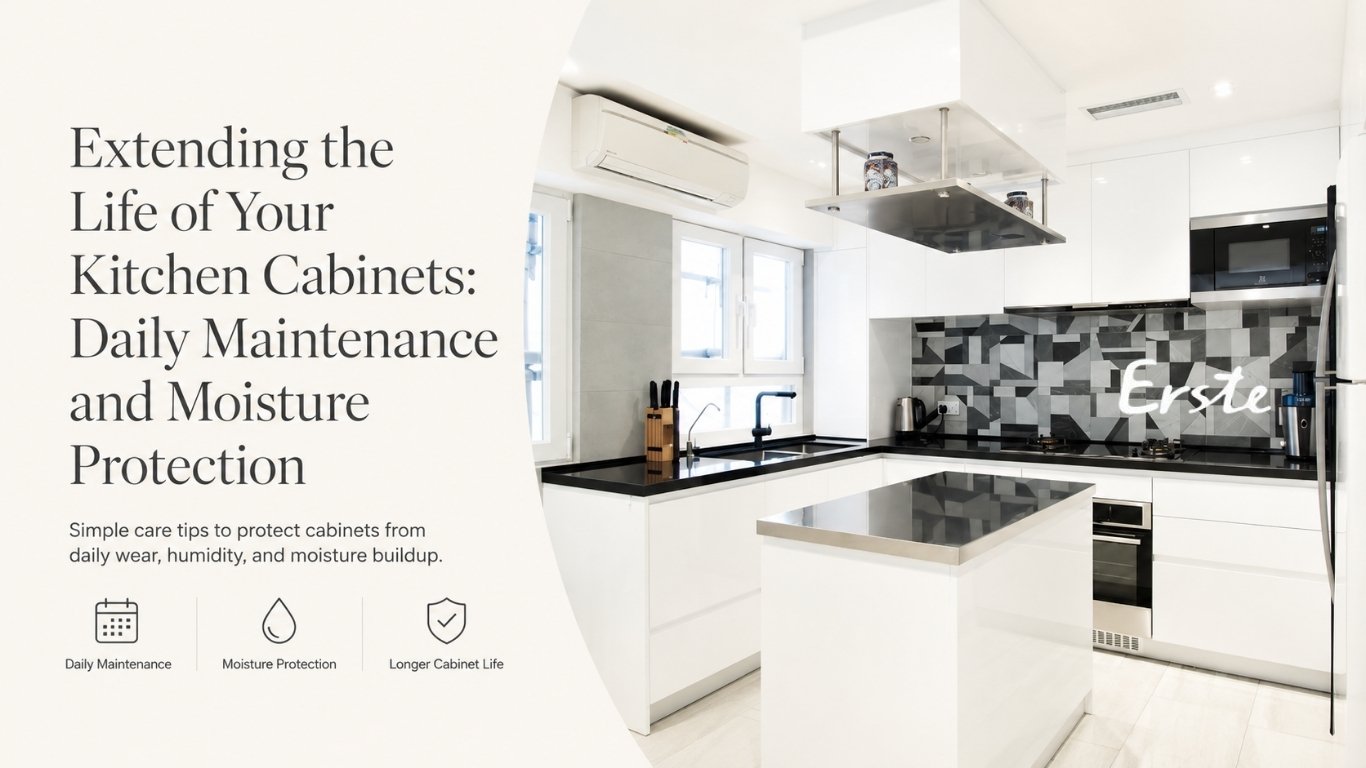
Erste uses specially treated premium solid wood (moisture-resistant), natural marble, and high-strength quartz—all heat- and oil-resistant, suited to Hong Kong’s humidity.- German-imported cabinet coatings add anti-mold, anti-stain properties, cutting long-term maintenance.
- These materials ensure durability without sacrificing visual appeal, catering to discerning families.
-
Tailored Customization
Hong Kong’s diverse housing (old tenements to luxury residences) demands flexible designs. Erste’s team adapts layouts to:- Family composition (e.g., child-friendly features) and cooking habits (e.g., optimized oven placement/countertop width for frequent bakers).
- Multi-generational households: varied cabinet heights for easy access by elders and kids.
This makes European kitchens more than cooking spaces—they become hubs for family interaction.
Western-style vs. Scandinavian(Nordic style) Kitchen Design: Key Differences & Considerations
Both fall under European design but differ in style, materials, and suitability—here’s a breakdown to guide Hong Kong families:
1. Design Elements & Aesthetic
- Western-style (e.g., French, Italian): Focuses on “classic elegance” with heavy lines, dark solid woods (walnut, oak), and antique metal fixtures. Plaster moldings and vintage pendant lights enhance a rich, timeless ambiance.
- Scandinavian (e.g., Danish, Swedish): Embraces “minimalist lightness” (“less is more”) with light woods (ash), white lacquered panels, and clean straight lines. Decorations lean on green plants and light textiles for a natural, cozy feel.
2. Materials & Maintenance
- Western-style: Uses natural stone (marble countertops) and solid wood cabinetry for luxury. Requires regular upkeep—critical in Hong Kong’s humidity to prevent mold or warping.
- Scandinavian: Prioritizes practicality with quartz countertops and lacquered panels (scratch/stain-resistant, easy to clean). Suits busy, modern lifestyles.
- Erste’s assurance: Sources quality materials for both styles (e.g., Italian solid wood, durable composites) meeting European standards.
3. Space & Family Fit
- Western-style: Thrives in larger units (1,000+ sq ft) to showcase grandeur; may feel cramped in smaller spaces (<500 sq ft). Ideal for families who host formal gatherings.
- Scandinavian: Adapts to all sizes—brightens small units and adds layering to larger ones via islands/open layouts. Better for families with kids (lacquered panels resist impacts).
How to Design a European Kitchen? 4 Practical Steps with Hong Kong Case Studies
With its fresh and minimalist style, the Scandinavian kitchen has become a popular choice for young families in Hong Kong. However, to create a Scandinavian kitchen that is both beautiful and practical, strategic design steps must be followed. Below, drawing on Erste’s project experience, we will detail four aspects—space planning, color scheme, material selection, and storage design—to help you plan your ideal space, all rooted in the principles of effective European design.
Step 1: Flexible Space Planning
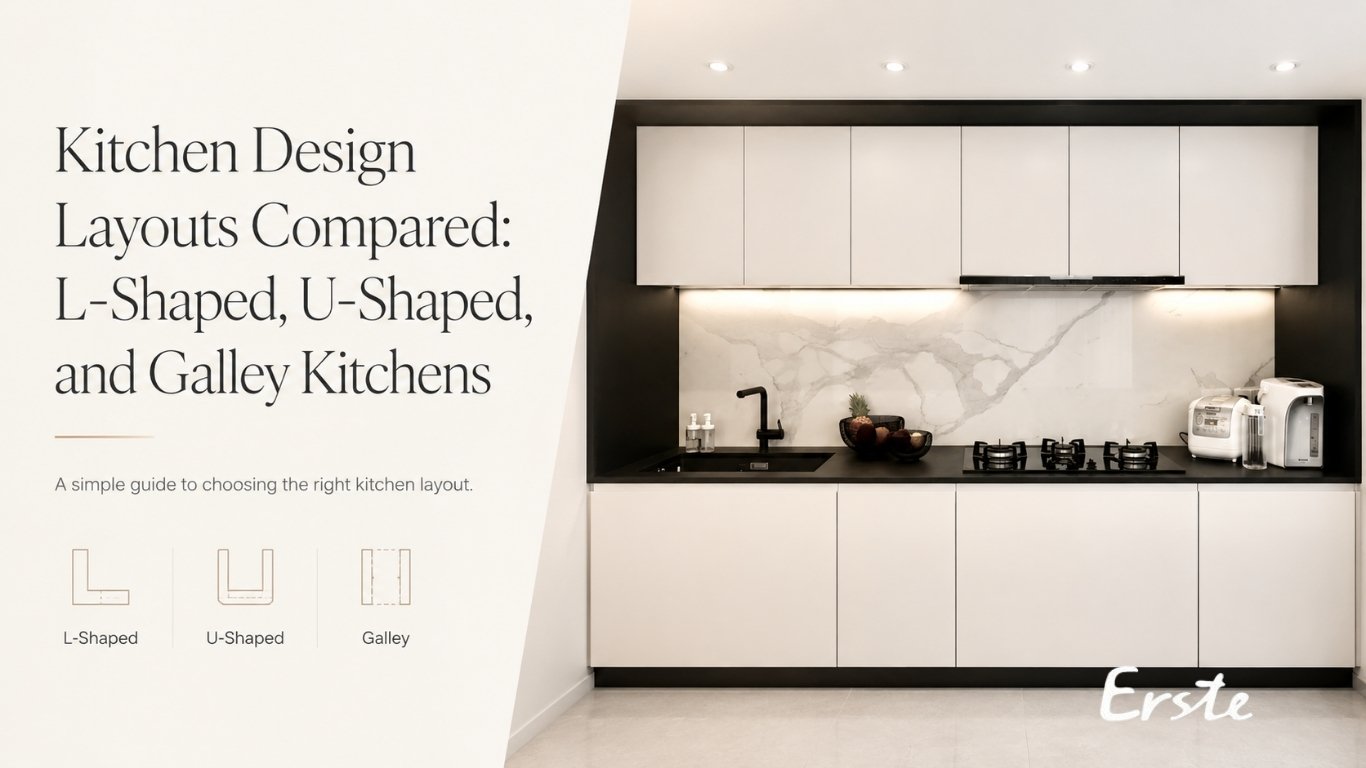
European design emphasizes “fluid flow.” Opt for open layouts to connect kitchen and living areas. For small spaces, use “I-shaped” or “L-shaped” layouts to maintain a smooth “work triangle” (fridge → sink → stove).
- Example: Erste’s Hong Lok Yuen, Tai Po project transformed an enclosed kitchen into an open space with a window-side island—expanding workspace and doubling as casual dining.
https://www.erste.com.hk/portfolio/hong-lok-yuen/
Step 2: Fresh Color Schemes
- Stick to “light tones with soft accents”: Neutral bases (white, light gray, natural wood) reflect light, brightening small Hong Kong kitchens. Add subtle pops (pale blue, soft green) via tiles or decor—avoid bold hues to prevent clutter.
Step 3: Practical Materials
Prioritize durability and aesthetics:
- Cabinets: Moisture-resistant solid wood (for texture) or lacquered panels (easy cleaning).
- Countertops: Quartz (hard, heat-resistant) suits frequent cooking.
- Flooring: Anti-slip tiles or vinyl to handle Hong Kong’s humidity.
- Erste’s choice: Italian imported tiles and quartz, rigorously tested for long-term quality.
Step 4: Smart Storage & Details
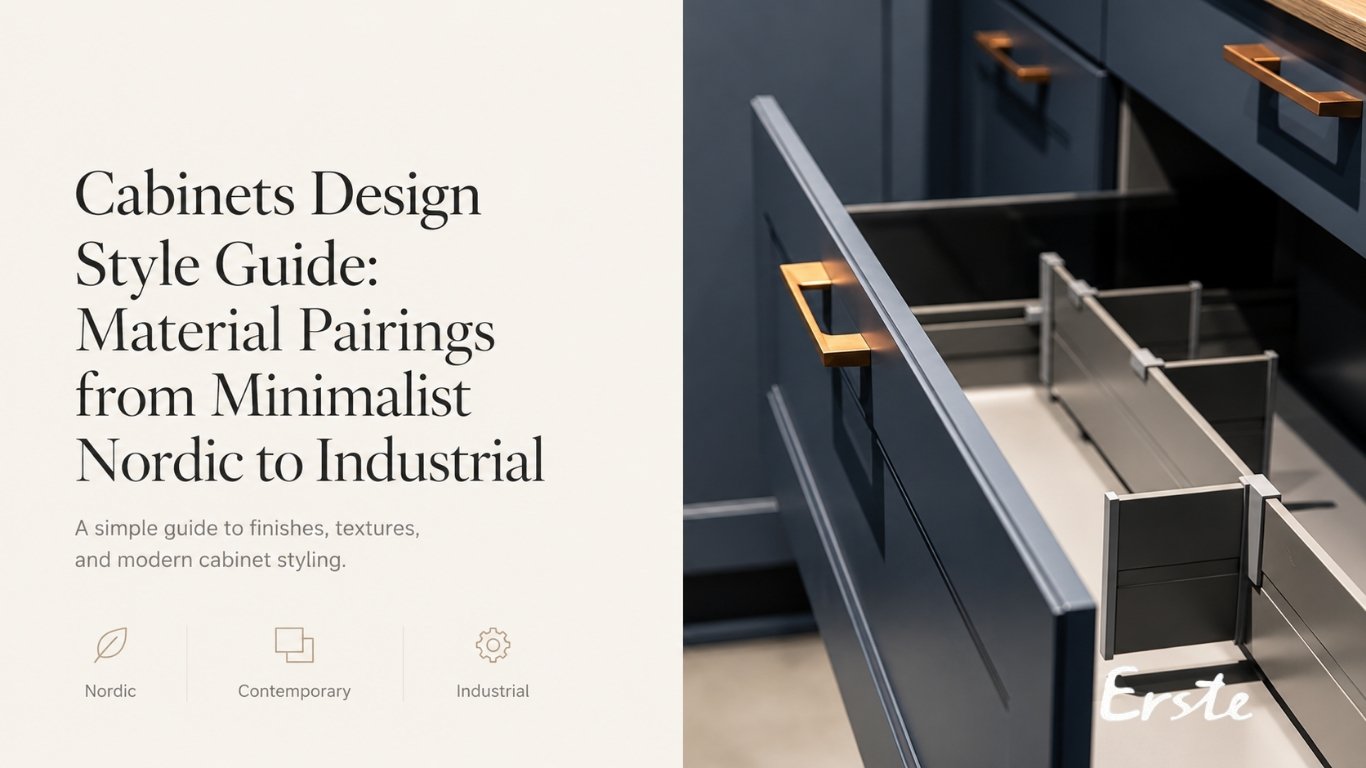
Scandinavian design relies on “hidden storage” to avoid mess: Use built-in drawers, wall shelves, and hanging racks for cutlery/condiments. Add functional touches like sensor lights (for night use) or retractable worktops.
By following these steps, you can create an ideal kitchen that combines Scandinavian style with the practical needs of Hong Kong living. With years of European design experience, Erste can provide you with a one-stop service from style planning to material selection (for specific service items, please refer to the official website), ensuring every family can have a beautiful and functional dream kitchen.
Welcome to visit us for a free consultation at: G/F, 381 Lockhart Road, Wan Chai, Hong Kong or contact us directly for inquiries: