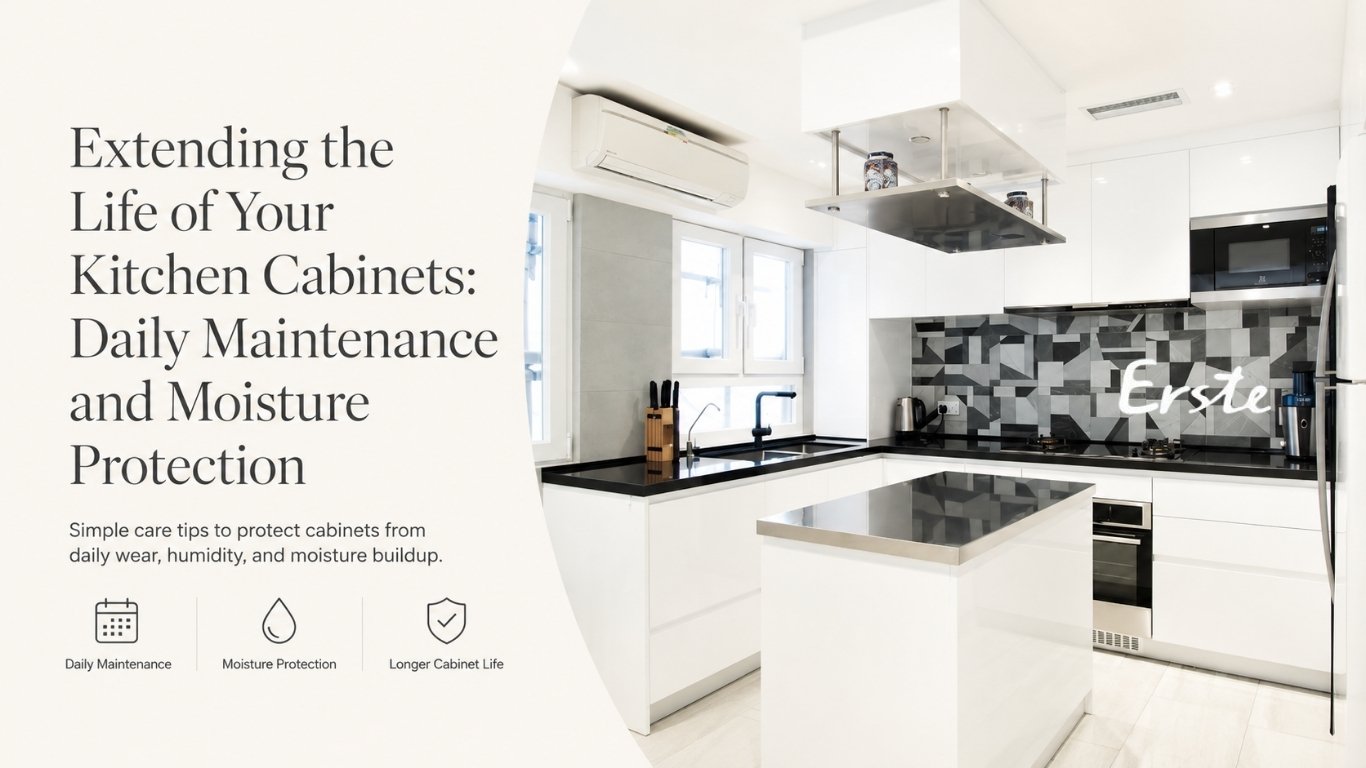
Your kitchen cabinets represent a substantial investment in both function and aesthetics. They are used dozens of times every day, exposed to grease, steam, heat, and occasional spills. Without proper attention, even high‑quality kitchen cabinets can suffer from warped panels, swollen edges, loose hinges, and faded finishes. The good news is that extending the life of your kitchen cabinets does not require expensive professional services. A consistent routine of daily maintenance and targeted moisture protection will preserve their appearance and structural integrity for decades. This guide provides practical, actionable advice for keeping your kitchen cabinets in top condition.
Weekly Cleaning Routines That Protect Your Kitchen Cabinets
Regular cleaning is the single most effective way to prevent dirt and grease buildup on your kitchen cabinets. A quick weekly wipe‑down removes cooking residues before they have a chance to embed into the finish. The key is using the right technique and the right products.
- Use a soft microfibre cloth slightly dampened with a mild cleaning solution. Diluted dish soap or a 50:50 mixture of white vinegar and water works excellently for removing common grime. Always apply the cleaner to the cloth, not directly onto the cabinet surface. This prevents liquid from seeping into seams and edges where it can cause swelling.
- Wipe gently in the direction of the wood grain if your kitchen cabinets have a visible grain pattern. This reduces the risk of micro‑scratches that dull the finish over time.
- Drying is as important as cleaning. Immediately after wiping, go over the surfaces with a dry cloth. Water left standing on cabinet doors or frames can migrate into joints and edges, causing hidden moisture damage that eventually manifests as peeling or swelling.
- Pay special attention to kitchen cabinets near the cooktop. These areas accumulate airborne grease more rapidly than elsewhere. A dedicated wipe‑down of these high‑traffic zones should be performed every few days, even if a full weekly cleaning is not yet due.
Moisture Protection: The Critical Factor for Kitchen Cabinets
Moisture is the most persistent enemy of kitchen cabinets. Kitchens are inherently humid environments—every pot of boiling pasta, every running dishwasher, and every kettle of tea releases water vapour into the air. Over time, this ambient moisture penetrates cabinet materials, causing wood fibres to expand unevenly, leading to warping, swelling, and mould growth. Protecting your kitchen cabinets from moisture requires a multi‑pronged approach.
Managing Kitchen Humidity
The first line of defence is ventilation. Always use your extractor fan while cooking, and keep it running for ten to fifteen minutes after you finish. This removes residual steam before it condenses on cabinet surfaces. If your kitchen lacks adequate ventilation, consider adding a dehumidifier, especially during humid seasons. The ideal humidity range for preserving kitchen cabinets is 35% to 55%.
- If you live in a particularly humid climate, moisture‑resistant (MR) MDF or furniture‑grade plywood are superior choices for cabinet construction. Standard MDF is more prone to swelling when exposed to water, whereas plywood retains its dimensional stability far better.
- Do not hang wet towels or dishcloths over cabinet doors. Prolonged direct contact with moisture can damage the finish and allow water to seep into door edges. Use a dedicated towel rail or air‑dry cloths away from wood surfaces.
- Clean up spills immediately. Even a small puddle of water left on a countertop can drip down onto cabinet doors or seep into the gap between the countertop and the cabinet box, initiating swelling and finish damage.
Protective Finishes and Sealants
Applying and maintaining protective finishes on your kitchen cabinets creates a barrier against moisture intrusion. Finishes such as polyurethane and polycrylic are excellent for this purpose. They repel water while allowing the wood to breathe slightly. These finishes outperform oil‑ or wax‑based products at preventing moisture absorption.
- For existing kitchen cabinets that have been in place for several years, consider reapplying a protective topcoat. This adds an extra layer of defence and restores the finish’s water‑repellent properties.
- Pay special attention to the bottom edges of wall cabinets above the cooktop. These are most exposed to rising steam. A well‑applied sealant in this zone pays substantial long‑term dividends.
- If your kitchen cabinets have developed minor finish wear, touch‑up kits with colour‑matched sealants can address small areas before they expand into larger problems.
Protecting Hardware and Hinges on Kitchen Cabinets
The hardware on your kitchen cabinets—handles, knobs, hinges, and drawer slides—endures constant use. Loose screws, stiff hinges, and misaligned doors not only compromise convenience but also place uneven stress on the cabinet structure, accelerating wear.
- Check and tighten all screws on hinges and handles every few months. A slightly loose hinge may seem trivial, but it causes the door to hang unevenly, putting strain on the hinge cup and the cabinet frame. Over time, this strain can enlarge screw holes, requiring more involved repairs.
- Lubricate hinges and drawer slides with a silicone‑based spray or a specialised lubricant. Avoid oil‑based products, which attract dust and can gum up moving parts. Proper lubrication ensures silent, effortless operation of your kitchen cabinets.
- If a hinge or handle becomes damaged, replace it promptly. Continuing to use a broken hinge places strain on adjacent hardware and can cause misalignment that affects the entire cabinet run.
Daily Habits That Extend the Life of Kitchen Cabinets
Beyond weekly cleaning and periodic hardware checks, small daily habits collectively extend the lifespan of your kitchen cabinets significantly.
- Open and close cabinet doors and drawers with a light touch. Excessive force—yanking a drawer open or slamming a door shut—stresses the cabinet structure and accelerates hardware wear. If you find yourself applying more force than necessary, the issue may be misaligned hardware or sticky slides that need lubrication.
- Use trivets and cutting boards. Do not place hot pots or pans directly on cabinet surfaces. Similarly, always use a cutting board rather than chopping directly on a countertop adjacent to kitchen cabinets. These habits prevent heat damage and scratches that compromise finishes.
- Wipe down cabinet interiors periodically. Shelves and drawer interiors collect crumbs, dust, and occasional spills. A quick wipe with a dry cloth during seasonal deep cleaning prevents buildup that can attract pests or cause odours.
When to Seek Professional Maintenance for Kitchen Cabinets
While daily and weekly maintenance can be performed by any homeowner, certain situations warrant professional attention. If you notice persistent swelling on panel edges, doors that will not align despite hinge adjustment, or finishes that have lifted or bubbled, consult a kitchen specialist. These issues, if caught early, can often be repaired without full replacement.
erste has extensive experience in helping homeowners maintain and restore their kitchen cabinets. Browse our project portfolio to see examples of well‑preserved cabinetry: https://www.erste.com.hk/our-work/
Need expert advice on protecting your kitchen cabinets? Contact unsere team: https://www.erste.com.hk/contact/