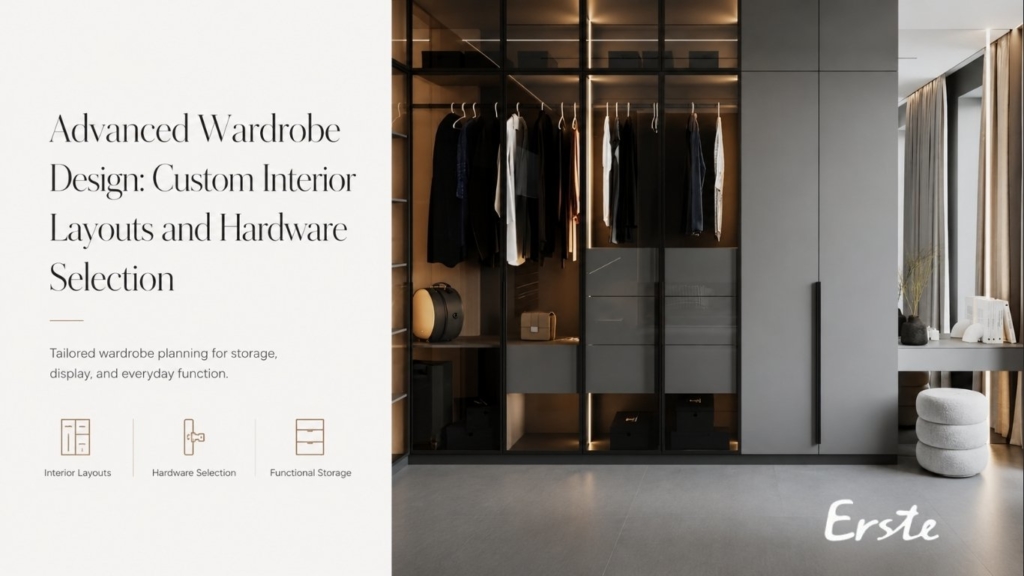
Wardrobe design that focuses only on exterior finishes misses the point entirely. The true measure of a wardrobe‘s quality is how its interior functions—whether you can find what you need quickly, whether storage adapts to changing seasons, and whether every centimetre of space contributes to organisation rather than clutter. Advanced wardrobe design treats the interior as a precision system of hanging zones, adjustable shelving, drawer organisers, and specialised hardware that transforms storage from a daily frustration into a seamless experience. Whether you are fitting out a walk‑in closet or maximising a reach‑in wardrobe, this guide provides the technical knowledge to design custom interiors that work for your specific wardrobe contents.
Wardrobe Design: Hanging Configurations That Maximise Vertical Space
The most fundamental decision in wardrobe design is how to configure hanging space. Many homeowners default to a single long rail running the full width of the wardrobe. This approach wastes the vertical airspace above shorter garments while providing inadequate length for long coats and dresses. A more efficient wardrobe design uses mixed hanging heights: double rails for most garments, reserving a full‑height section for items that truly need it.
- Double‑hanging rails, one positioned above the other, instantly double the hanging capacity within the same vertical footprint. Shirts, blouses, jackets, and folded trousers store neatly on the upper rail; skirts and shorter garments occupy the lower rail.
- A dedicated full‑height section of at least 150 cm (59 inches) accommodates long coats, floor‑length dresses, and suits without crumpling the hems.
- For shallow wardrobes (depths of 35–45 cm), front‑facing pull‑out rails allow garments to hang parallel to the wardrobe back rather than perpendicular. This design uses limited depth efficiently while keeping clothes visible and easily accessible.
- Pull‑down hanging rods bring the upper rail down to a comfortable reach height, then retract out of the way. These mechanical or motorised systems are especially valuable in wardrobe design for tall units reaching ceilings above 240 cm.
When planning hanging sections in your wardrobe design, measure the longest items you own. A man‘s overcoat may require 120 cm; a wedding dress with a train could need 150 cm or more. Allocate at least one full‑height section per household member.
Wardrobe Design: Adjustable Shelving for Folded Storage
Shelving in wardrobe design should never be fixed permanently. Adjustable shelf systems allow you to reconfigure the interior as your wardrobe contents evolve—moving shelves higher to accommodate tall boot boxes, lower for stacks of sweaters, or removing shelves entirely to create additional hanging space.
- Shelf dividers are a small investment that delivers outsized organisation benefits in wardrobe design. Piles of folded t‑shirts or jumpers tend to topple and merge into a messy heap. Vertical dividers create compartments that keep stacks separate and upright, making it easy to retrieve one item without disturbing its neighbours.
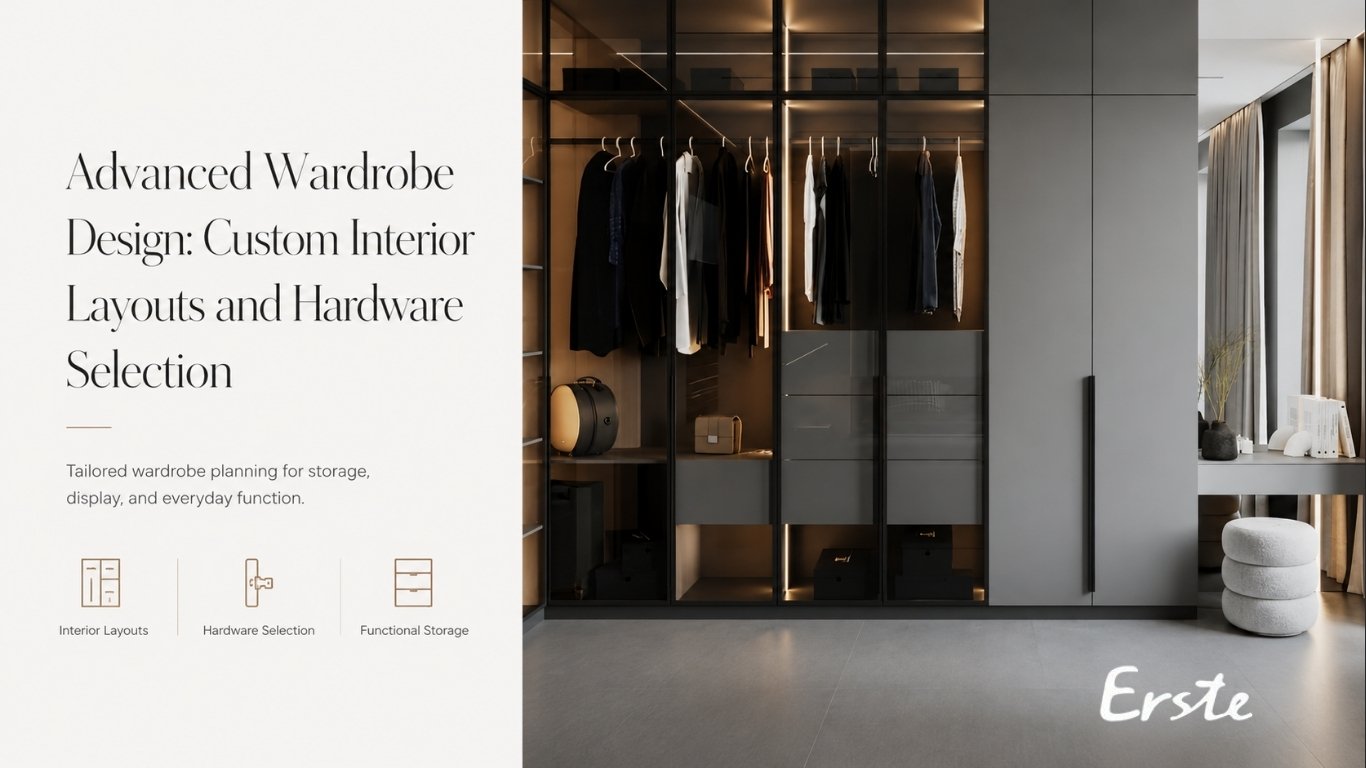
- Glass shelves paired with integrated LED lighting add a premium aesthetic to custom wardrobe design. The transparency of glass makes the interior feel more spacious, and the illumination highlights organised stacks.
- Closed shelving sections protect delicate fabrics such as cashmere and silk from dust accumulation, which is particularly important in wardrobe design for homes with pets or open windows.
- For seasonal storage, top compartments (high shelves above double‑hanging sections) store suitcases, extra bedding, and off‑season clothing. Elevating these bulky items removes them from daily view while keeping them accessible when needed.
A common mistake in wardrobe design is allocating too much shelf space and not enough hanging or drawer space. Before finalising your layout, empty your current wardrobe and sort items into categories: long hanging, short hanging, folded items, shoes, bags, and accessories. The inventory reveals your true storage needs. Many people assume they need more hanging space than they actually require, when in reality folded storage or drawers would serve them better.
Wardrobe Design: Drawer Systems and Internal Organisers
Drawers in wardrobe design handle the small items that get lost on shelves: underwear, socks, belts, scarves, ties, and jewellery. Without dedicated drawer organisation, these items jumble together, wasting time each morning as you search for matching pairs or specific accessories.
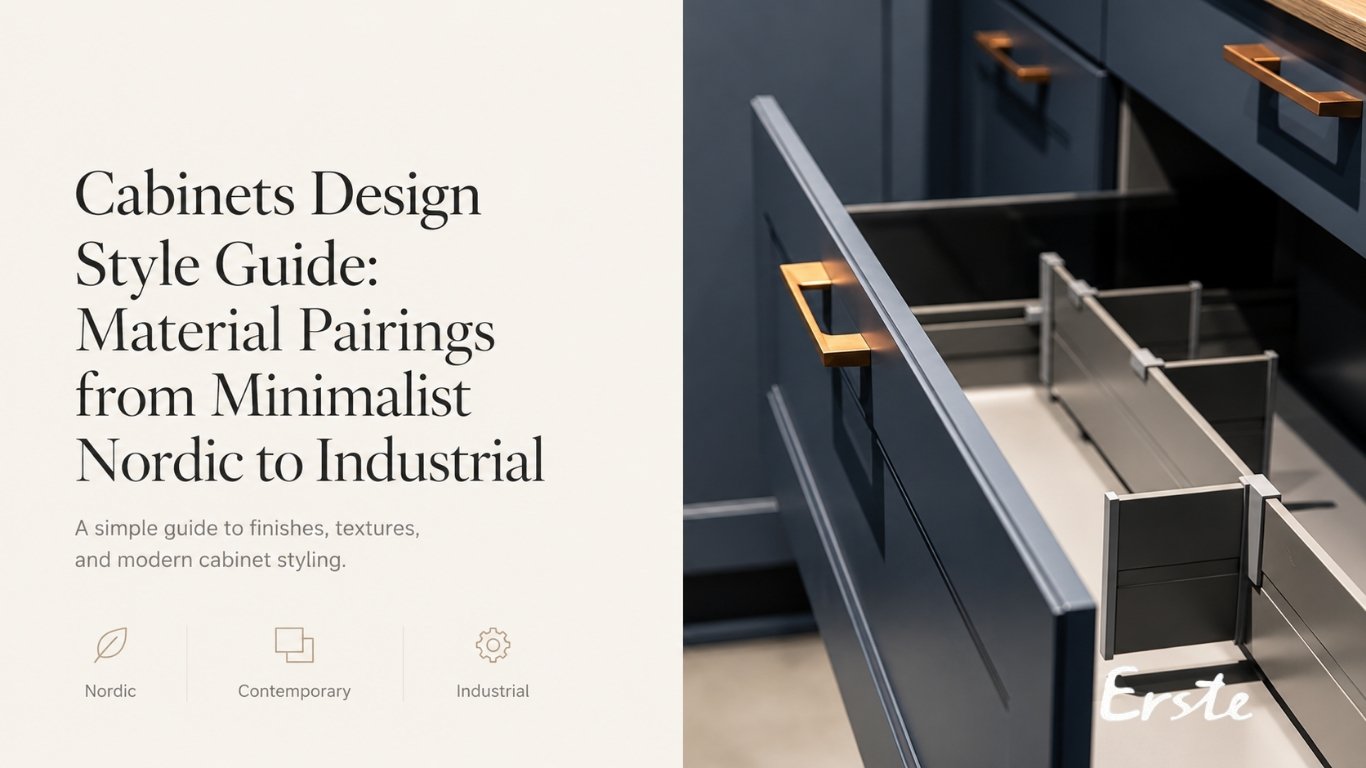
- Drawer dividers create custom compartments for each item type. Adjustable dividers allow the configuration to change as your collection grows. Some premium wardrobe design systems offer velvet‑lined jewellery trays with sectioned compartments for rings, watches, and cufflinks.
- Soft‑close drawer runners shut quietly and gently, protecting the drawer contents and reducing wear on the mechanism. The quality of the runner determines how smooth the drawer operation feels for years of daily use.
- For valuable items or sensitive documents, lockable drawers add security without compromising the clean aesthetic of custom wardrobe design.
- Pull‑out tie and belt racks keep accessories tangle‑free and visible, while dedicated pull‑out trouser racks prevent creases in tailored trousers.
When specifying drawer heights in wardrobe design, use shallower drawers (8–12 cm) for flat items such as underwear and socks; medium drawers (15–20 cm) for folded t‑shirts and sweaters; and deeper drawers (25–30 cm) for bulkier items like jeans and sweatshirts.
Wardrobe Design: Shoe Storage Solutions
Shoes present a unique challenge in wardrobe design because of their awkward shape and the tendency to pile up untidily. Dedicating a specific storage zone for footwear prevents shoe clutter from spilling into other wardrobe sections.
- Pull‑out shoe racks with angled shelves display shoes clearly while keeping them contained. You see each pair at a glance rather than rummaging through piles on the wardrobe floor.
- Shoe drawers sized specifically for footwear keep each pair separated and protected. This approach works especially well for flats, trainers, and sandals. Deeper drawers can accommodate two stacked pairs per drawer.
- For wardrobes with hinged doors, over‑door shoe pockets add extra capacity without using interior floor space. While not suitable for heavy boots, these pockets handle sandals, slippers, and children‘s shoes effectively.
- Open wire shoe shelves improve air circulation, reducing moisture accumulation and odours in wardrobe design for sports shoes and everyday trainers.
Count your shoe collection honestly before finalising wardrobe design specifications. The average person owns between 10 and 20 pairs of shoes, but this number varies widely depending on lifestyle. Allocate enough linear shelf space to display each pair without stacking.
Wardrobe Design: Hardware Selection and Lighting
The hardware you choose in wardrobe design determines how pleasurable the daily use experience becomes. High‑quality hinges, runners, and handles outlast cheaper alternatives by years while feeling smoother with every interaction. Adjustable shelving systems rely on robust shelf pins and standards rated for the intended load.
- Soft‑close hinges on wardrobe doors prevent slamming and protect the door frame from repeated impact. European concealed hinges offer adjustability in three dimensions, allowing precise alignment even on slightly out‑of‑square openings.
- Full‑extension drawer runners rated for 30–45 kg carry heavy loads such as multiple pairs of jeans or a collection of leather bags. Look for runners with integrated soft‑close mechanisms and corrosion‑resistant finishes.
- LED strip lighting integrated into hanging sections and under shelves improves visibility dramatically. Motion sensor lights activate automatically when the wardrobe door opens, eliminating fumbling for switches in the dark.
- Full‑length mirrors mounted on the inside of wardrobe doors add functionality without consuming floor or wall space. Pair mirrored panels with lighting to ensure even illumination across your reflection.
The cumulative effect of quality hardware in wardrobe design transforms a storage space into a daily pleasure. Opening a smooth drawer, finding the exact item because lighting illuminates every corner, and closing a door that glides shut silently—these moments add up to significantly improved quality of life over years of use.
erste brings professional wardrobe design expertise to every project, creating custom interiors that maximise storage while respecting your specific wardrobe contents. View our portfolio: https://www.erste.com.hk/our-work/
Ready to transform your storage with professional wardrobe design? Contact unsere team: https://www.erste.com.hk/contact/